
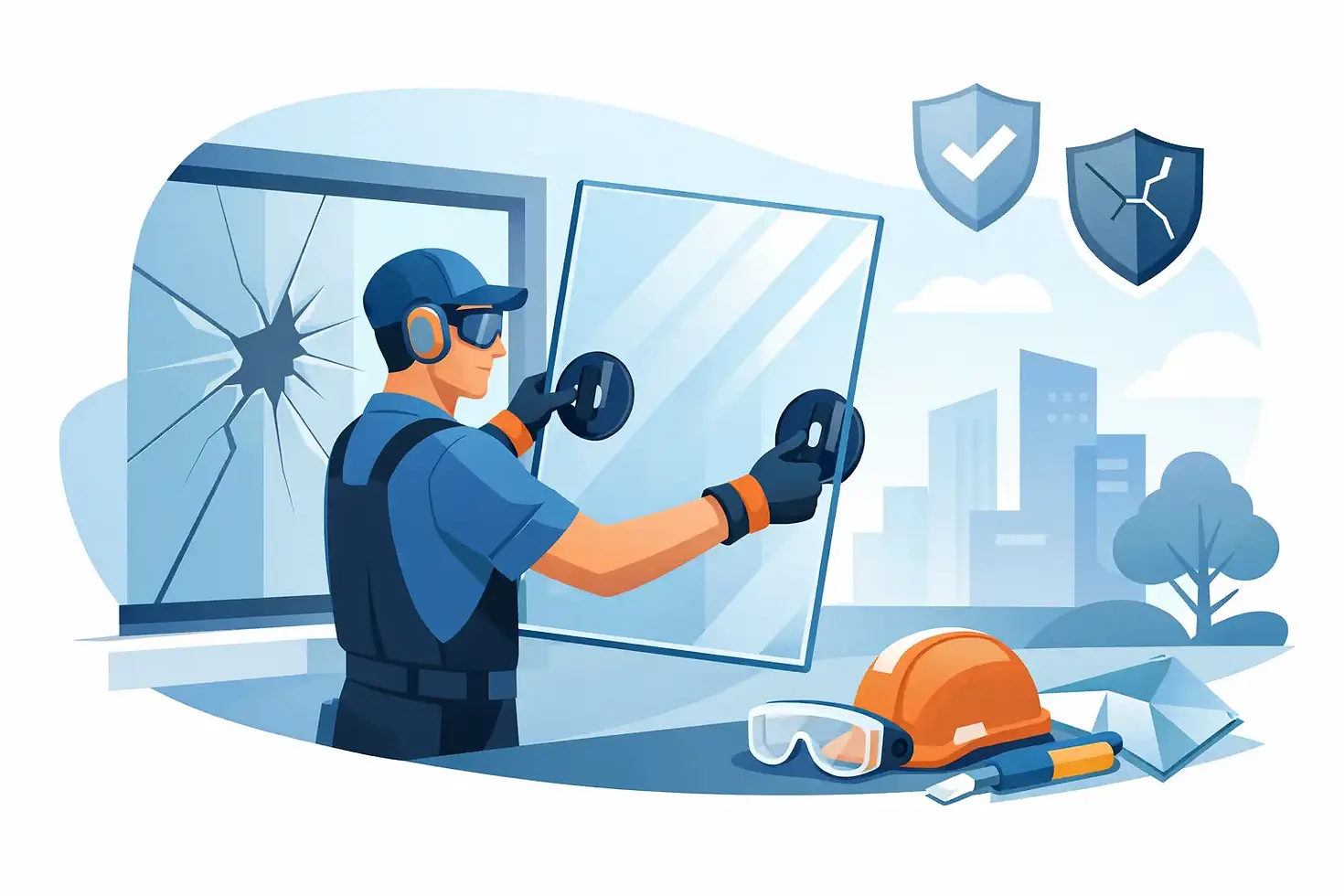
Safety Glass Replacement: What to Expect

A cracked bathroom panel, a shattered shopfront door, or a broken window beside an entryway all raise the same question quickly - do you need standard glazing, or is safety glass replacement required? In many cases, the answer is straightforward. If the glass sits in a location where breakage could cause injury or leave a property exposed, replacing it with the right safety glass matters for both compliance and peace of mind.
When glass breaks, most people are not thinking about Australian Standards or glazing classifications. They want the area safe, secure and sorted without delay. That is exactly why understanding the basics of safety glass replacement helps. It gives you a clearer idea of what needs to happen next, what can affect timing, and why the cheapest option is not always the right one.
When safety glass replacement is needed
Safety glass is used in places where ordinary glass would create a higher risk if it broke. That includes many doors, sidelights, low-level glazing, bathrooms, stair areas and commercial entries. In these spots, the type of glass is not just a design choice. It is often there to reduce the chance of serious injury and to meet building requirements.
The two most common forms are toughened glass and laminated glass. Toughened glass is heat-treated so it is much stronger than standard float glass, and when it breaks it tends to crumble into smaller pieces. Laminated glass uses a plastic interlayer that helps hold the panel together after impact. Both are considered safety glass, but they behave differently and suit different applications.
That is where experience matters. A broken pane might look like a simple swap, but the replacement needs to match the original use of the opening. A bathroom screen, a glass door and a street-facing commercial panel may all call for different specifications. Good glazing is not just about filling the gap. It is about restoring the glass properly so it performs as it should.
Safety glass replacement for homes and businesses
In homes, safety glass replacement often comes up after accidents around doors, shower screens, splashbacks and low windows. Children, pets, weather damage and everyday wear can all contribute. Sometimes the issue is obvious, such as a fully shattered panel. Other times it starts with chips, movement in the frame or a crack spreading from one edge.
For businesses, the pressure is usually more immediate. Broken glass can create a safety risk for staff and customers, affect security, and interrupt trading. A damaged shopfront or office entry does not just look bad. It can leave the premises vulnerable after hours and may need urgent makesafe work before full replacement can go ahead.
The practical difference between residential and commercial work usually comes down to timing, access and specification. A homeowner may be able to temporarily isolate an area. A retailer or property manager often needs a faster response to protect the site and reduce disruption. In both cases, the priority is the same - make the area safe first, then replace the glass with the correct product.
What happens during the replacement process
A professional safety glass replacement job starts with assessment. The glazier needs to confirm where the glass is located, what type was installed, how it failed and whether the frame or surrounding hardware has also been damaged. If the panel is in a critical location such as a door or shopfront, temporary boarding or makesafe measures may be needed immediately.
From there, the broken glass is removed carefully and the opening is prepared for reglazing. Measurements must be accurate, especially with toughened glass, because it cannot be cut down after manufacture. If laminated glass is required, thickness and performance need to be matched correctly. The replacement is then fitted, sealed and checked so the panel sits securely and operates as intended.
Some jobs can be completed quickly if the glass type is common and available. Others take longer because the panel needs to be manufactured to size or meet a particular performance requirement. That is normal. A fast response is important, but so is installing the right glass rather than rushing in a poor substitute.
Choosing the right type of safety glass
Not every broken panel should be replaced like-for-like without a second look. If the original glass was old, non-compliant or poorly suited to the location, replacement can be a chance to improve safety and durability.
Toughened glass is often chosen where impact resistance is a priority and a clean, modern finish is needed. It is common in doors, shower screens and many frameless applications. Laminated glass is often preferred where security, acoustic performance or post-breakage integrity matters more. Because it tends to stay in place when broken, it can be a strong option for entry points and certain commercial settings.
There are trade-offs. Toughened glass is strong, but when it fails it usually fails completely. Laminated glass may remain in one piece, but it can be heavier and may not suit every frame or budget. The best option depends on the location, the purpose of the glazing and the level of risk involved.
This is also why an accurate quote should involve more than a rough price over the phone. The right recommendation comes from understanding the opening, not guessing from a description.
Why compliance matters more than price alone
It is tempting to focus on cost when a window or door has just been broken, especially if it is an unexpected repair. But with safety glass replacement, the cheapest option can become the most expensive if it leads to another breakage, a compliance issue or an avoidable injury.
Using the wrong glass in a hazardous location can create serious problems for homeowners, landlords and commercial operators alike. Property managers and business owners in particular need confidence that the replacement meets the required standard for the site. That is not about overcomplicating the job. It is about doing it once and doing it properly.
A clear, professional glazing service should explain what type of glass is being installed, why it suits the opening and what the expected timeframe will be. Straight answers matter, especially in urgent situations. When people are dealing with broken glass, they do not want jargon. They want to know the property will be safe again and that the repair will hold up.
Emergency situations and temporary makesafe work
Not every replacement can happen on the spot. If the glass needs to be ordered, the immediate priority becomes securing the opening. That may involve removing dangerous shards, cleaning the area and installing temporary board-up or shuttering so the property is protected until the final glass is ready.
This stage is especially important after break-ins, storm damage or overnight commercial incidents. A quick makesafe response reduces the risk of further damage and helps restore control to what is often a stressful situation. In Melbourne, where weather can turn quickly and busy commercial strips do not stop for long, that prompt response can make a real difference.
Temporary protection should never feel like an afterthought. Done properly, it keeps people safe, maintains a level of security and gives the glazier time to return with the correct replacement rather than forcing a rushed compromise.
Signs it is time to act sooner rather than later
Some glass failures are dramatic. Others creep up slowly. If a panel is chipped near the edge, showing stress cracks, rattling in the frame or becoming cloudy from a failed unit, it is worth getting it assessed before it becomes an emergency.
The same applies if you are renovating or updating an older property. Glass installed years ago may not match current expectations for safety in doors, bathrooms and low-level windows. Replacement can be part of improving the function of the space, not just repairing damage.
For landlords and commercial property operators, early action also helps avoid tenant complaints, downtime and callouts at the worst possible time. Planned replacement is nearly always easier than emergency replacement, even if both need the same end result.
When safety glass breaks, people need practical help, not guesswork. The right replacement restores more than the panel itself. It brings back safety, security and normal use of the space. If there is any doubt about what type of glass is required, get it checked properly and get it sorted before a small issue becomes a bigger one.


Comments