
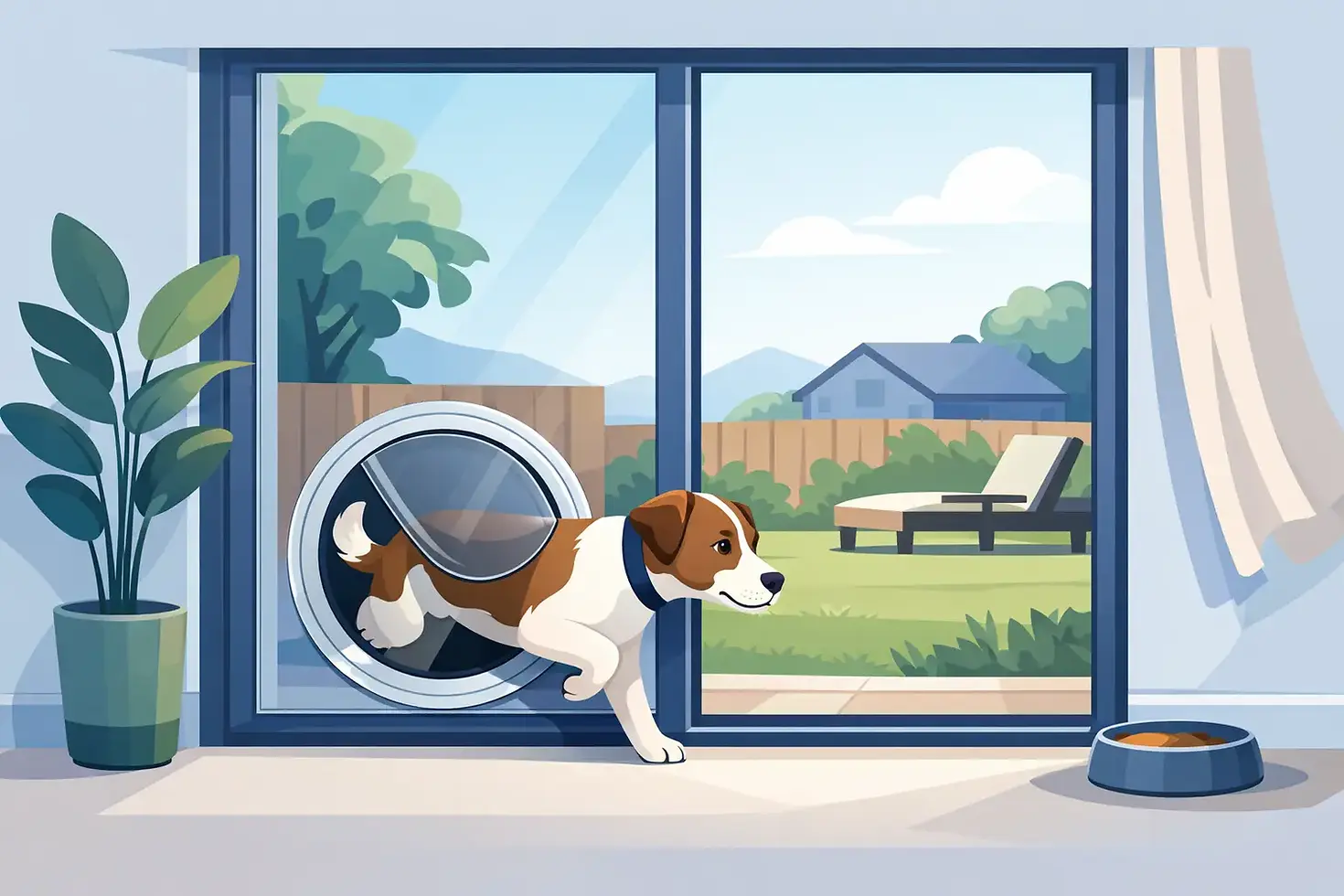
Can You Put a Dog Door in Glass?
- a1glassmelb
- May 25
- 6 min read

If your dog is scratching at the door every five minutes, it makes sense to ask: can you put a dog door in glass? The short answer is yes, in many cases you can. The catch is that glass is not something you cut on the spot like timber or aluminium panelling. Getting it right depends on the type of glass, the size of the opening, and whether the panel needs to be replaced rather than modified.
For most homeowners, the best outcome is a pet door that looks neat, works properly and does not create a safety issue. That usually means treating it as a glazing job first and a pet door job second.
Can you put a dog door in glass without replacing the panel?
Sometimes, but often no. It depends on the glass already in place.
If your existing panel is standard annealed glass and it has not been toughened, there may be options to modify it. In practice, though, many doors and larger side panels in Australian homes use safety glass. Once glass has been toughened, it cannot be cut or drilled after manufacture. If you try, it will shatter.
That is why many glass pet door installations involve replacing the entire pane with a new one that has been made to suit the pet door opening. The new glass is ordered with the required cut-out before toughening or manufacturing is completed. This gives you a cleaner result and keeps the panel compliant and safe.
Which types of glass can take a pet door?
This is where a proper site check matters. A glass door may look simple from the outside, but the construction can vary quite a bit.
Toughened safety glass
This is common in doors, low-level glazing and areas where human impact is more likely. Toughened glass cannot be cut after it has been made. If you want a dog door in this type of panel, the usual solution is to replace the glass with a new toughened pane that includes a factory-prepared opening.
Laminated glass
Laminated glass is made with layers bonded together for safety and security. In some cases it can be custom-manufactured for a pet door opening, but it still needs the right process and measurements. It is not a DIY cut-and-go job.
Double glazed units
A pet door can sometimes be installed into double glazing, but the process is more specialised. The unit usually needs to be remade to suit the opening, and you need to consider insulation, condensation performance and the pet door product itself. Not every pet door is suitable for double glazed glass.
Existing single glazing
If the panel is plain, non-toughened single glazing, there may be more flexibility. Even then, replacement is often the smarter option because it gives you a safer and more durable finish.
Why glass pet doors are not usually a DIY project
A lot of people look at a glass panel and assume it is similar to cutting a hole in a timber laundry door. It is not.
Glass needs accurate measuring, the right product selection and installation methods that protect both the panel and the frame. If the wrong pet door is chosen, or the hole is in the wrong position, you are not dealing with a simple patch-up. You may be up for a full replacement.
There is also the question of compliance and safety. Door glass and adjacent panels are often subject to safety glazing requirements. A poor installation can affect both the strength of the panel and the safety of the opening.
For landlords, builders and property managers, that risk is not worth taking. For homeowners, it is usually a job better handled once and handled properly.
What matters before installing a dog door in glass?
The first thing is the type of panel. A glazier will check whether the glass is toughened, laminated, double glazed or standard single glazing. From there, the next issue is size. The opening must suit your dog, but it also needs to leave enough glass around it so the panel remains practical and properly supported.
Placement matters too. A dog door that sits too low, too close to the edge, or too near hardware can cause problems. Sliding doors, hinged doors and fixed side panels all have different constraints. In many homes, a fixed glass panel next to the main door is actually the better location.
You also need to think about day-to-day use. A very small flap might be cheaper, but if your dog has to squeeze through it, it will not get used. On the other hand, an oversized opening can affect privacy, insulation and security more than necessary.
Can you put a dog door in a sliding glass door?
Yes, often you can, but the method depends on the setup.
Some sliding glass doors can take a custom replacement panel with a built-in pet door. In other cases, the better option is to use an adjacent fixed panel rather than the moving section of the door. This can help avoid issues with tracks, rollers and everyday operation.
There are also insert-style pet door systems for some sliding doors, but they are a different solution from cutting into the glass itself. They can be useful in rentals or temporary situations, but they may affect how the door closes and locks. If you want a more permanent and tidy result, a custom glass installation is usually the stronger option.
Security, insulation and appearance
Most people asking about a dog door in glass are not just thinking about convenience. They also want to know whether it will make the home less secure or less efficient.
That depends on the product and the installation quality. A well-fitted pet door in the right glass panel should close properly, sit neatly and avoid unnecessary gaps. Better-quality models can also include locking panels so you can control access when needed.
From an appearance point of view, the difference between a rushed job and a professional one is obvious. A properly measured and installed pet door should look like part of the door, not an afterthought.
If your property already has double glazing or specific energy-efficiency goals, this is even more important. The wrong product can undermine the performance of the whole panel.
Is it better to use glass or another panel?
Sometimes the answer is yes, and sometimes the better choice is elsewhere.
If you already have a suitable fixed glass panel near the backyard or side access, installing the pet door in glass can be the cleanest option. It keeps the main door functional and avoids changes to walls or timber doors.
But if the glass is part of an expensive double glazed system, a heritage-style door set, or a difficult commercial entry, another location may make more sense. A timber panel, security screen, or custom infill panel can sometimes deliver the same convenience with less cost and complexity.
This is one of those jobs where the best answer is not always the one people first had in mind.
What to expect from the installation process
A proper glass pet door installation usually starts with measuring and confirming the glass type. Once the right location and pet door size are chosen, the replacement pane is manufactured to suit. After that, the old panel is removed and the new panel with the pet door opening is installed.
The timing can vary depending on glass type, size and whether custom manufacturing is required. Standard jobs are usually straightforward, but double glazed units or unusual door systems can take longer.
The key point is that most glass pet doors are planned installations, not same-day cut-outs. If your existing panel is broken or damaged, that is a separate issue and should be made safe first.
When it is worth getting expert advice
If you are asking can you put a dog door in glass, you are already asking the right question. The next one is whether your particular glass panel should have one.
That is where an experienced glazier can save you time and money. A quick assessment can tell you what is possible, what needs replacing, and whether there is a better option in the same area. For Melbourne property owners dealing with safety glass, sliding doors or custom panels, that practical advice can prevent an expensive mistake.
A dog door should make life easier. If it is well planned, it will. If it is forced into the wrong panel, it can create more problems than it solves.
The best place to start is with the glass itself, because once that part is right, the rest of the job tends to fall into place.


Comments